
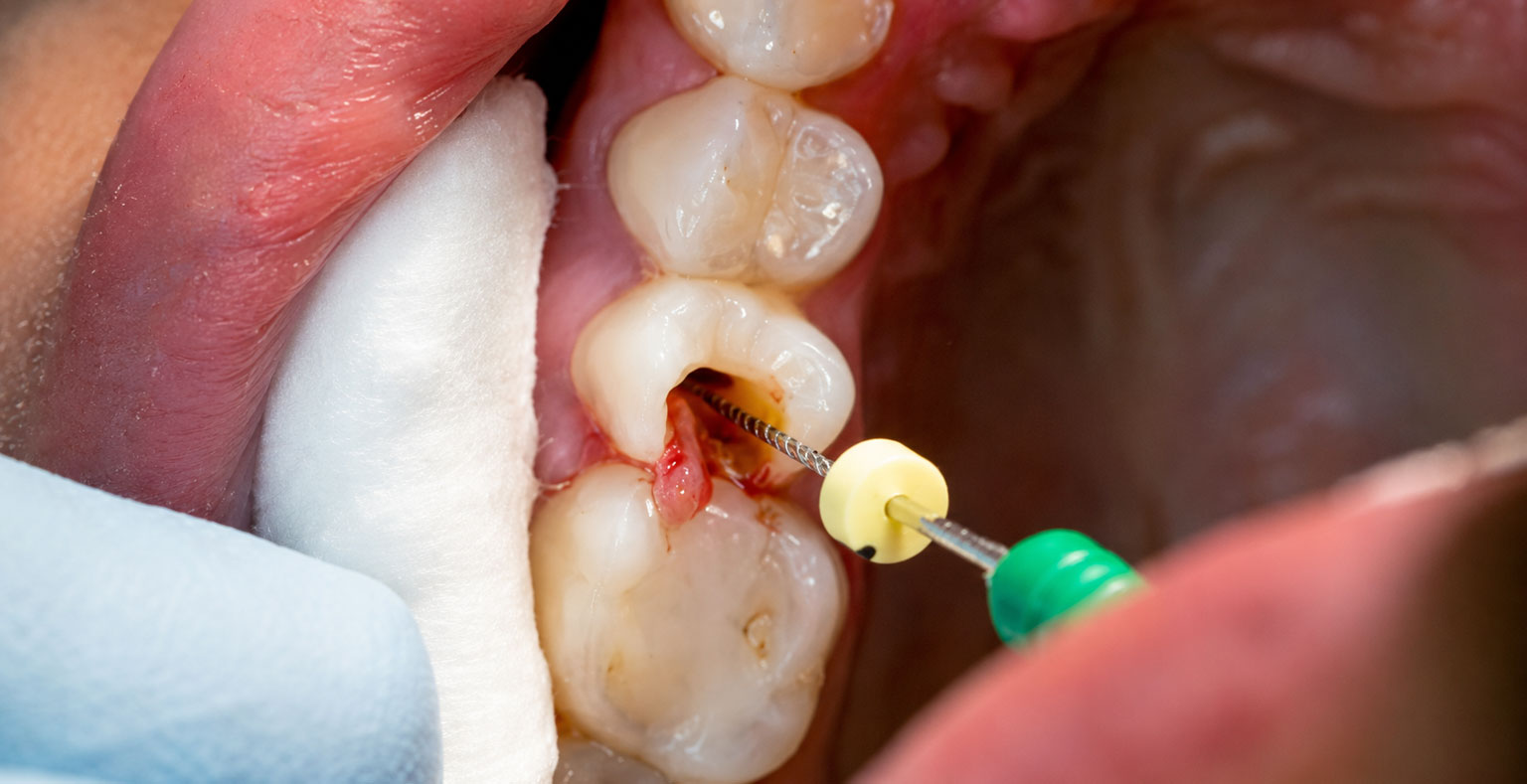
Post-Operative Instructions Following Root Canal Procedure
The root canal has treated the inside of the tooth - The tooth still needs protection.
The first few days are usually straightforward. Protect the treated tooth, follow your medication instructions and complete the definitive restoration recommended for you.
Immediately After Treatment
If a temporary filling has been placed, avoid eating or drinking for approximately 30 minutes while it sets. Do not repeatedly press or probe the temporary filling with your tongue.
If your mouth is still numb from local anaesthesia, avoid chewing until normal sensation returns so that you do not accidentally bite your cheek, lip or tongue.
Protect the Treated Tooth
Until the permanent restoration is completed, avoid biting hard objects or foods with the treated tooth, including ice, bones, hard nuts and other potentially damaging items. A root-canal-treated tooth may be more vulnerable to fracture until it has been definitively restored.
Temporary Filling
A small amount of wear or a slight depression in a temporary filling can occur. If the filling becomes loose or comes out, contact SR Dental Zone promptly so the tooth can be assessed and resealed as appropriate. Do not attempt to permanently reattach or fill the tooth yourself.
Permanent Restoration Matters
Root canal treatment removes infection and seals the root canal system, but long-term protection also depends on an appropriate final restoration. Depending on the amount of remaining tooth structure, this may be a definitive filling, onlay or crown. Your dentist will recommend the most appropriate restoration for your tooth.
Do not delay the final restoration.
An incompletely restored root-canal-treated tooth remains vulnerable to fracture, leakage and new decay. Completing the planned restoration is an important part of preserving the natural tooth.
What You May Feel
Mild tenderness when biting or discomfort around the treated tooth is common for the first two to three days. The surrounding tissues may occasionally remain tender for longer, particularly when the tooth was significantly inflamed or infected before treatment.
Jaw muscle soreness can occur after prolonged mouth opening, the injection site may feel tender, and the gum can be mildly irritated where the rubber dam was placed. These effects generally settle as the tissues recover.
Pain & Medication
Take all prescribed medicines exactly as directed. Use pain-relief or anti-inflammatory medication only according to your dentist's instructions and your medical suitability. If pain is persistent, increasing or not controlled by the recommended medication, contact the clinic.
Oral Hygiene
Continue brushing and cleaning between your teeth as usual unless you have been given different instructions. Be gentle around a temporary restoration and maintain good plaque control around the treated tooth and gums.
When to Contact SR Dental Zone
Please contact us promptly if you experience increasing or severe pain, noticeable swelling, fever, persistent throbbing, a bad taste or discharge, a temporary filling that becomes loose or dislodged, a fractured tooth/restoration, or a bite that feels persistently high or uncomfortable.
About Post-Treatment Flare-Ups
Occasionally, a treated tooth can develop a significant increase in pain or swelling after root canal therapy. The original SR Dental Zone guidance refers to this as a post-treatment 'flare-up'. If this occurs, contact the clinic promptly so that the tooth can be reassessed and the appropriate treatment determined.
SR Dental Zone's Tooth-Preservation Approach
SR Dental Zone's endodontic care is centred on preserving the natural tooth whenever clinically appropriate. The clinic's current endodontic workflow includes microscopic visualization, digital radiography, apex-location and rotary endodontic technology, with CBCT imaging available for selected complex cases. These technologies support diagnosis and precision; the final clinical decision remains individual to the tooth and patient.
Important Reminders:
1. A mandatory check-up should be scheduled within 72 hours of treatment completion.
2. Schedule a follow-up visit at SR Dental Zone every six months for the professional care and maintenance recommended after treatment completion.
3. Complete the definitive restoration recommended for the treated tooth within the timeframe advised by your dentist.
Individual Care Matters:
The need for a crown or other restoration, medication, additional imaging and review intervals depends on the tooth, remaining tooth structure, bite, infection history and your overall clinical situation. Follow the personalised instructions given by your treating dentist.


