
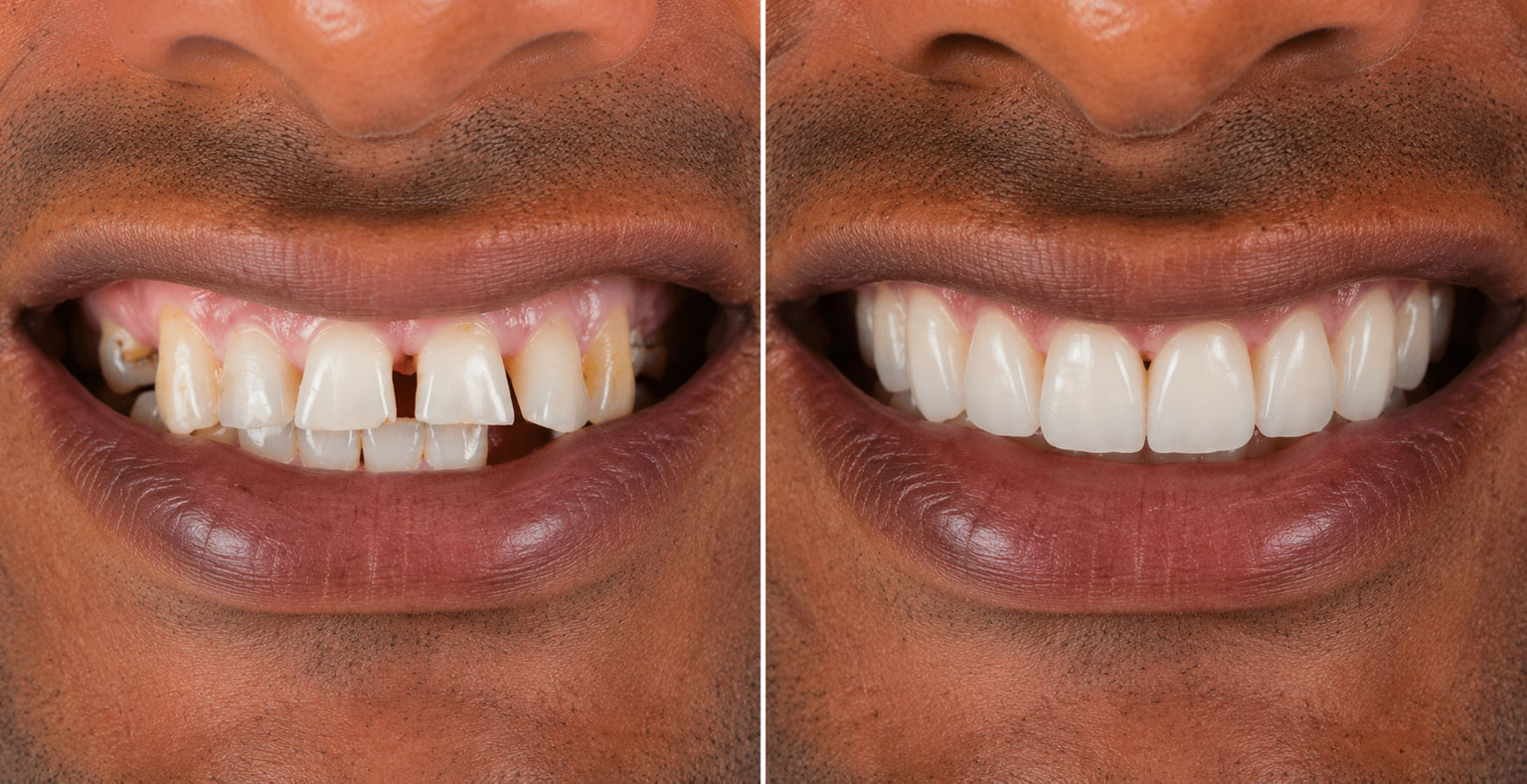
Post-Operative Instructions for New Partial or Complete Dentures
New dentures need a period of adaptation.
Your mouth, tongue and facial muscles need time to learn how to function with the new appliance. Early changes in speech, chewing and the way the denture feels are common and usually improve with practice and appropriate adjustments
The Adjustment Period
First-time denture patients may need several weeks to become comfortable with a new appliance. The denture may initially feel larger or more noticeable than expected, and speech can sound different while the tongue and lips adapt. Reading aloud and speaking normally can help this adjustment occur naturally.
Eating With Your New Dentures
For the first few days, choose soft foods and take small bites. Chew slowly and, where possible, distribute food on both sides rather than chewing only on one side. Gradually introduce firmer foods as your confidence improves. Dentures do not reproduce the chewing efficiency of natural teeth, so some adaptation is expected.
Avoid testing a new denture with very hard, sticky or difficult-to-chew foods during the early adjustment period. If the bite continues to feel uneven after the first few days, contact SR Dental Zone for an adjustment rather than trying to alter the denture yourself.
Speech & Confidence
Some words may initially feel unfamiliar. This is usually temporary. Practice speaking and reading aloud at a normal pace; the tongue and lips generally adapt as you become accustomed to the new contours of the denture.
Sore Spots & Adjustments
Small pressure areas can occur as the denture settles against the supporting tissues. Please contact the clinic if a sore area is persistent, painful or prevents comfortable denture wear. Before an adjustment appointment, wearing the denture for a period beforehand can help the clinician identify the exact pressure point - unless the soreness is severe, in which case do not force yourself to wear it continuously.
Do Not Adjust The Denture Yourself.
Filing, bending or modifying a denture at home can permanently alter its fit and bite. Clinical adjustments are usually small and precise.
Daily Denture Cleaning
Clean the denture every day to reduce plaque, food deposits, odour and staining. Remove it over a folded towel or a basin partly filled with water to reduce the chance of breakage if dropped. Use the cleaning method recommended at your insertion appointment and avoid abrasive household cleaners or very hot water, which may damage or distort the appliance.
Care for Your Mouth
Even with complete dentures, the gums, tongue and other oral tissues still require daily care. Gently clean the mouth as instructed. Partial-denture patients should continue meticulous brushing and interdental cleaning of the remaining natural teeth, particularly around teeth that support or contact the denture.
Night-Time Use
Unless your clinician has given a specific short-term instruction otherwise, complete and partial dentures should generally be removed before sleeping. This gives the supporting tissues a period of rest and allows the denture and mouth to be cleaned thoroughly.
When the Denture Is Out
Store the denture safely and follow the storage method recommended for its material. Keep it away from children and pets, and do not expose it to boiling or very hot water. If a denture fractures, chips or feels distorted, keep all pieces and contact the clinic rather than attempting a home repair.
Fit Changes Over Time
The gums and underlying bone can gradually change shape, and changes in body weight or oral health can also affect denture fit. A denture that becomes loose should be assessed rather than repeatedly compensated for with increasing amounts of adhesive. Relining, adjustment or replacement may eventually be required.
When to Contact SR Dental Zone
Please arrange a review if you develop persistent sore areas, repeated ulceration, a denture that rocks or becomes increasingly loose, difficulty chewing that does not improve, a persistent uneven bite, fracture or chipping, or any new oral lesion or tissue change that does not settle.
The SR Dental Zone Prosthodontic Approach
SR Dental Zone describes its prosthodontic care as individually planned around function, esthetics and long-term oral wellness. Digital diagnostics and intraoral scanning may be incorporated where they add clinical value, while the final design and maintenance plan remain guided by the patient's anatomy, remaining teeth, supporting tissues and functional needs.
Long-Term Reviews
The original instructions recommend annual examination of both the dentures and supporting oral tissues because fit and denture teeth can change over time. Regular preventive visits also allow the clinical team to monitor the remaining teeth, gums, oral tissues and bite and to identify when adjustment, relining or replacement should be considered.
Important Reminders
1. A mandatory check-up should be scheduled within 72 hours of treatment completion.
2. Schedule a follow-up visit at SR Dental Zone every six months for the professional care and maintenance recommended after treatment completion.
3. Bring your dentures to review appointments so their fit, bite, condition and supporting oral tissues can be assessed.
Individual care matters.
Complete dentures, partial dentures and immediate dentures can require different wearing, cleaning and review instructions. Any personalised advice provided by your treating clinician takes priority over general guidance.


